
The Global Wellness Institute defines mental wellness as a proactive, multidimensional process that builds resilience and fosters flourishing. Unlike mental illness, it focuses on emotional, social, psychological, and spiritual well-being. Mental wellness emphasizes prevention, self-care, and shared responsibility, promoting holistic health through practices like mindfulness, relationships, and lifestyle improvements.
Stewardship & Generosity
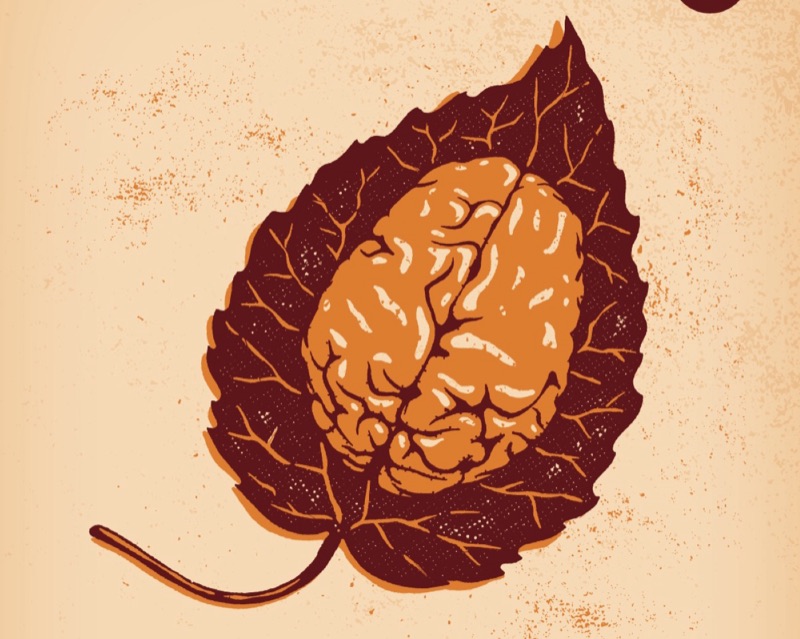
Mindful Care
SG-10Mental Health & Wellness Support
Prioritize well-being in the workplace. Create a support system for mental health.
MarkingsHealingRestorationResilienceHope(Ephesians 4:23-24)
“Be renewed in the spirit of your minds, and . . . put on the new self, created after the likeness of God in true righteousness and holiness.”
Ephesians 4:23–24
From the card
Getting Started
- Assess Needs: Conduct a confidential survey to understand your team's mental health needs, wellness needs, and preferences for support.
- Establish Resources: Provide access to support services, mental health days, and wellness apps.
- Educate and Train: Offer workshops on stress management, work-life balance, and recognizing burnout.
- Promote Open Dialogue: Encourage discussions about mental health to destigmatize seeking help.
- Provide Continuous Support: Ensure resources are easy to find, ongoing, and adaptable to changing workplace dynamics.
Tips for Success
- Create a mental health and wellness champion role to lead initiatives.
- Discuss mental health as you would physical health to remove stigma.
- Incorporate principles of biblical flourishing in your education and support.
Forte | Mental Fitness For Every Employee
Continue exploring
7 resourcesResources
The article “Mental Health and the Business Owner” highlights the unique mental health challenges faced by entrepreneurs, including higher rates of depression, ADHD, addiction, and bipolar disorder compared to the general population. It emphasizes the disconnect between external success and internal struggles, offering strategies such as building self-awareness and empathy, addressing success bias, and closing skills gaps to support owners in navigating these challenges effectively.
The 988 Suicide & Crisis Lifeline provides 24/7, free, and confidential support for anyone in emotional distress or crisis. Accessible via call, text, or chat, it connects individuals to trained counselors who offer compassionate, judgment-free assistance. The service also supports friends and loved ones seeking help for others, ensuring care is always available.
SAMHSA leads public health efforts to improve behavioral health nationwide. It provides resources like the 988 Suicide & Crisis Lifeline, the Disaster Distress Helpline, and [FindTreatment.gov](http://findtreatment.gov/). SAMHSA also offers grants, evidence-based practices, and data to address mental health, substance use disorders, and related challenges.
MHA’s Workplace Wellness Resource Center provides tools and research to prioritize mental health in the workplace. Key initiatives include the Bell Seal for Workplace Mental Health, a certification recognizing mentally healthy employers, and the Mind the Workplace reports, which analyze employee well-being trends. Resources are available for employers, offering best practices to foster supportive environments, and employees, with guidance on managing workplace mental health challenges.
Forte is a platform focused on enhancing employee well-being through confidential conversations with certified professionals, wellness content, and actionable data. It addresses stress, anxiety, and mental health challenges, offering personalized “SoulCare” benefits to support employees as whole individuals. Forte’s solutions improve engagement, foster a caring workplace culture, and deliver measurable results for organizations.
The* *APA’s* 2023 Work in America Survey* examines workplace experiences, employee stress, and mental health needs. It highlights evolving trends in workplace well-being and provides insights into what employees value from employers regarding mental health support. Previously called the *Work and Well-Being Survey*, it emphasizes improving workplace environments.
Keep the conversation going
Have a resource to suggest? We’d love to hear it.